
Select Page
Saadani National Park
Saadani National Park: Where Tanzania’s Wild Bush Meets the Indian Ocean
Introduction
Saadani National Park feels different the moment you arrive. The air carries a coastal softness, the bush opens toward the Indian Ocean, and the safari does not feel rushed or crowded. You are not choosing between beach and wildlife here. You get both in one place.
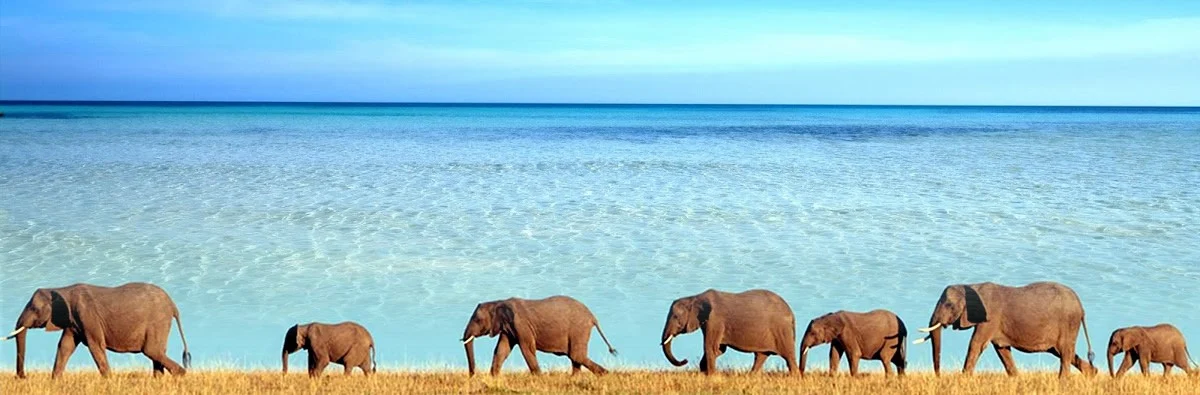
This is Tanzania’s only national park along the Indian Ocean coast, which gives it a character no inland park can copy. One moment you may be following giraffes through coastal woodland. Later, you may stand near the beach, listening to the waves while birds move across the sky. It is not the Serengeti, and it does not try to be. Saadani has its own quiet charm.
The park covers about 1,062 square kilometers and protects a mix of beach, bush, river, mangrove, grassland, woodland, and coastal forest. It became Tanzania’s 13th national park and is often praised for blending a relaxed coastal holiday with a light safari experience. Wildlife can include giraffes, buffaloes, elephants, zebras, warthogs, wildebeests, antelopes, crocodiles, hippos, monkeys, and many bird species. Saadani also offers boat safaris, game drives, guided walks, birdwatching, beach time, and cultural visits.
The weather is warm for much of the year. The dry season from June to October gives better road access and easier wildlife viewing, while the green months bring softer scenery and stronger birdlife. Park fees are usually lower than Tanzania’s premium northern parks. Recent 2026 fee guides place Saadani around USD 35.40 per adult per day, including VAT, and USD 11.80 for children aged 5 to 15, though Serengeti Mara Experts should always confirm the latest rates before booking.
No matter where you are coming from, Saadani works best when you want a gentler safari, a coastal extension, or a short escape from Dar es Salaam, Bagamoyo, Pangani, or Zanzibar.
Safari Attractions: Wildlife and Scenery
Saadani’s biggest attraction is its setting. Few safari destinations let you move from coastal bush to ocean views in the same day. The park sits between land and sea, and this mix shapes everything you see. You get open grasslands, palm-lined edges, woodland, mangroves, river channels, and a beach that feels almost hidden from the outside world.
The wildlife is rewarding, though you should come with the right expectations. Saadani is not a high-density wildlife park like Serengeti or Ngorongoro. Animals here often spread across woodland, grassland, and river areas, so sightings feel more natural and less predictable. That is part of the appeal. You slow down. You follow tracks. You look deeper into the bush.
Giraffes often give the park some of its most memorable moments. They move through the coastal woodland with calm grace, sometimes appearing between trees before stepping into clearer ground. Buffaloes, warthogs, wildebeests, zebras, waterbucks, hartebeests, reedbucks, and other antelopes also live here. Elephants may appear in some areas, though sightings vary by season and movement.
Predators exist, but they are not always easy to find. Lions, leopards, hyenas, and smaller carnivores live in the wider ecosystem, yet Saadani rewards patience more than quick checklists. If your idea of safari is only about ticking off famous animals, you may prefer another park. If you enjoy quiet landscapes, coastal air, and real searching, Saadani feels more personal.
The Wami River adds a richer wildlife experience. Hippos and crocodiles are the main river highlights, and a boat safari gives you a different view from the usual safari vehicle. You may also see kingfishers, fish eagles, herons, storks, and other waterbirds along the riverbanks.
Birdlife is one of Saadani’s underrated strengths. The mix of river, coast, forest, mangrove, and grassland brings many species into one compact destination. For photographers, the park offers warm coastal light, quiet tracks, river reflections, beach scenes, and animals in unusual settings.
The scenery may stay with you more than any single animal sighting. Saadani has a gentle, lived-in wildness. It feels less polished than Tanzania’s famous safari icons, but that gives it a softer and more honest beauty.
Saadani Weather and Climate
Saadani has a warm coastal climate. The park sits near the Indian Ocean, so temperatures often feel humid, especially in the hotter months. Days can be bright and warm, while evenings feel softer near the coast.
The dry season usually runs from June to October. This is the most comfortable time for many visitors. Roads are more reliable, vegetation becomes thinner, and wildlife is easier to spot around open areas and water sources. The air still feels warm, but the weather is more manageable than the hotter months.
The short rains often arrive around November and December. These rains can freshen the park, but they do not always ruin travel plans. Some days remain clear, while others bring passing showers.
The long rains usually fall from March to May. This is the ideal time for a first safari in Saadani. Some roads become harder to use, humidity can rise, and wildlife may spread deeper into the thicker vegetation. The park looks greener, but game viewing can take more effort.
January and February can feel hot and humid, though travel is still possible. These months may suit visitors who want fewer crowds and do not mind warmer conditions.
The best time to visit is June to October. The worst time for most first-time visitors is March to May, mainly because of rain, road conditions, and reduced visibility.
Saadani National Park Top Safari Tours
Saadani National Park Safari Activities
Game drives are the main safari activity in Saadani. They work best in the morning and late afternoon, when the heat drops and animals become more active. A game drive here has a slower rhythm. You may not see animals around every bend, but you get time to enjoy the bush, the coast, and the quiet.
Boat safaris on the Wami River are a major highlight. This activity gives you close views of hippos, crocodiles, river birds, and the lush riverbanks. It also changes the mood of your safari. After dusty tracks and woodland drives, the river feels calm and refreshing.
Guided walking safaris give you a closer connection to the landscape. With an armed ranger and local guide, you learn about tracks, plants, insects, birds, animal behavior, and smaller details you may miss from a vehicle. Walking safaris often work best in the cooler morning hours, especially in open or safer areas.
Birdwatching suits Saadani well because the park has several habitats close together. You can look for waterbirds along the river, coastal birds near the beach, and woodland species inside the park. You do not need to be a serious birder to enjoy it. The setting makes even casual bird sightings feel rewarding.
Beach time is another reason travelers like Saadani. This is not a typical beach resort destination, but the ocean adds something special. After a game drive, you can relax near the shore, listen to the waves, and enjoy a safari that feels lighter than the inland parks.
Cultural visits can also enrich your stay. The surrounding coastal communities, historic areas, and nearby villages give you a better sense of the region beyond wildlife. With the right guide, this becomes more than a stop for photos. It becomes a chance to understand how people live between coast, river, and bush.
How to Get There
Saadani is one of the most accessible parks for travelers already staying along Tanzania’s coast. You can reach it from Dar es Salaam, Bagamoyo, Pangani, Tanga, or Zanzibar, depending on your route and travel style.
From Dar es Salaam, the road journey can take around four to six hours, depending on traffic, weather, road conditions, and the entry gate used. Travelers often pass through Bagamoyo, which makes the route useful for those who want to combine history, coast, and safari.
From Bagamoyo, the drive is shorter and more practical. This route works well for travelers who want a one-night or two-night safari extension from the coast.
From Pangani or Tanga, Saadani can also fit into a northern coastal itinerary. This works well if you want to combine quiet beaches, Swahili coast culture, and wildlife.
From Zanzibar, you can travel by ferry or flight to the mainland, then continue by road. Some itineraries use private transfers from Dar es Salaam or connect through coastal routes. A direct air option may also work for some private or higher-end safari plans, depending on current flight schedules and airstrip arrangements.
A 4×4 vehicle is the best choice, especially in rainy periods or when using rougher access roads. Serengeti Mara Experts can plan the route based on your starting point, travel season, and preferred comfort level.
Saadani National Park Most Common Attractions
African Fish Eagle
Bateleur Eagle
Grey crown cranes
Waterbucks
Warthogs
Klipspringer
Hippo
Bat eared Fox
Serval Cat
Buffalo
Best Time to Visit Saadani National Park
The best time to visit Saadani National Park is from June to October. This dry season gives you better game viewing, more comfortable road conditions, and a lower chance of heavy rain disrupting your plans.
July, August, and September are especially good for travelers who want reliable safari conditions. The bush is drier, the roads are easier, and boat safaris on the Wami River can be enjoyable.
November and December can also work, especially if you want greener scenery and fewer visitors. The short rains may pass through, but they often leave the park looking fresh.
January and February are fine for travelers who do not mind heat and humidity. Wildlife viewing may still be good, though the weather feels warmer.
March to May is the least recommended period. The long rains can make some routes more difficult, and the thick vegetation can reduce wildlife visibility. If you visit during this period, plan with flexibility.
Best Safari Accommodation
Saadani offers a smaller and quieter accommodation scene than Tanzania’s famous northern parks. That is part of the appeal. You do not come here for huge safari lodges or crowded hotel strips. You come for peace, coastal air, and easy access to both bush and beach.
Luxury travelers can choose beach-facing lodges or intimate safari-style properties near the park. These options work well if you want comfort, good meals, ocean views, and guided activities arranged from one base.
Midrange travelers can find comfortable lodges, tented stays, and coastal accommodation around Saadani, Bagamoyo, Pangani, or nearby areas. This category suits couples, families, and small groups who want a good balance between comfort and cost.
Budget travelers may use simpler guesthouses, campsites, or affordable stays outside the park. This works best when the focus is on activities rather than lodge luxury.
Your best option depends on your route. If Saadani is a short safari from Dar es Salaam or Bagamoyo, one or two nights may be enough. If you want to slow down and enjoy the coast, river, and wildlife, two or three nights feel better.
Serengeti Mara Experts can help you choose accommodation based on your budget, travel month, group size, and whether you want more beach comfort or more safari access.
Destination Entrance Fees
Saadani is usually cheaper to enter than Tanzania’s premium parks. The 2026 Tanzania park fee guides place Saadani at around USD 35.40 per adult per 24 hours, including VAT. Children aged 5 to 15 are listed around USD 11.80. Children below 5 are often free, though this should be confirmed before travel.
Extra costs may apply for vehicles, boat safaris, walking safaris, ranger services, camping, special activities, and accommodation inside or near the park. Fees may also differ for foreign non-residents, expatriates, Tanzanian residents, East African citizens, and children.
Because park fees change, Serengeti Mara Experts should confirm the latest TANAPA rates before preparing your final safari quote. This keeps your budget clear and avoids last-minute surprises.
Destination Gallery


Destination FAQ
Is Saadani National Park worth visiting?
Yes, Saadani is worth visiting if you want a relaxed safari near the coast. It is best for travelers who enjoy scenery, birdlife, river safaris, beach time, and quieter wildlife viewing. It is not the best choice if you only want dense wildlife sightings.
What makes Saadani different from other Tanzania parks?
Saadani is the only national park in Tanzania that borders the Indian Ocean. You can enjoy bush, beach, river, mangroves, coastal forest, and wildlife in one destination. That mix gives it a softer and more coastal safari feel.
What animals can I see in Saadani?
You may see giraffes, buffaloes, zebras, warthogs, wildebeests, antelopes, monkeys, hippos, crocodiles, and sometimes elephants. Predators such as lions and leopards live in the area, but sightings are less predictable.
Is Saadani good for a first safari?
Saadani can work for a first safari if you want something calm and easy to combine with the coast. If your main goal is high wildlife density, Serengeti, Tarangire, Ngorongoro, or Nyerere may suit you better. Many travelers enjoy Saadani as a gentle introduction.
How many days do you need in Saadani?
Two days work for a short safari. Three days feel better because you can enjoy game drives, a boat safari, beach time, and a slower pace. A one-day trip is possible from nearby areas, but it can feel rushed.
Can I visit Saadani from Zanzibar?
Yes, you can visit Saadani from Zanzibar by connecting through the mainland. Many travelers use ferry or flight connections to Dar es Salaam, then continue by road. Private arrangements may also be available depending on timing and budget.
Is Saadani good for families?
Yes, Saadani works well for families who want a lighter safari experience. The mix of wildlife, river, beach, and short activities can suit children. Families should choose accommodation carefully and plan around heat, travel time, and activity age rules.
What is the best month to visit Saadani?
July, August, September, and October are among the best months. They fall in the dry season, which helps with road access and wildlife viewing. June can also be a good month as the park becomes drier after the rains.
Are boat safaris available in Saadani?
Yes, boat safaris on the Wami River are one of the best activities in Saadani. They give you a chance to see hippos, crocodiles, waterbirds, and river scenery from a different angle.
Can I combine Saadani with a beach holiday?
Yes, this is one of the best reasons to visit. You can combine Saadani with Bagamoyo, Pangani, Dar es Salaam, or Zanzibar. It is a good choice when you want wildlife without leaving the coast for too long.
Conclusion
Saadani National Park is not loud, crowded, or dramatic in the same way as Tanzania’s big-name safari parks. Its beauty is quieter. You feel it in the warm coastal air, the river bends, the palm-fringed views, the sudden sight of giraffes in the bush, and the strange pleasure of hearing ocean waves near a wildlife park.
For travelers who want a safari with space, softness, and a coastal mood, Saadani is a strong choice. It fits well before or after Zanzibar, Dar es Salaam, Bagamoyo, or Pangani. It also works for families, couples, and repeat safari travelers who want something different from the usual northern circuit.
With Serengeti Mara Experts, your Saadani safari can feel easy, well-paced, and personal. You can spend your morning searching for wildlife, your afternoon on the Wami River, and your evening near the beach. That is the kind of safari Saadani does best: simple, scenic, and quietly memorable.
Similar destinations ...
Ol Doinyo Lengai
Mkomazi National Park: Tanzania’s Quiet Safari Escape for Wildlife Encounter
Masai Mara National Reserve
Mountain Kilimanjaro
Don’t wait,
book this adventure safari today
Low season
Oct, Nov, Mar, Apr, may
Peak season
Jun, July, Aug, Sept, Dec