
Select Page
Zanzibar Safari
Zanzibar safari experience
Zanzibar is an incredible safari destination that offers unforgettable beach experience. Most recommended for an after-safari vacation.
You step off the jet bridge, and Zanzibar greets you like warm cinnamon-scented air straight from the oven. A sea breeze ruffles your sleeves, a porter flashes a grin, and—before you can say jet lag—you’re in a Toyota rumbling past coconut palms that lean as if they’re eavesdropping on the road.
You catch your own reflection in the window: eyes wide, phone forgotten, shoulders already loosening. That’s the first gift Zanzibar gives you—space to breathe.
Destination Attractions – Why Visit
- Salt-and-Spice Duality
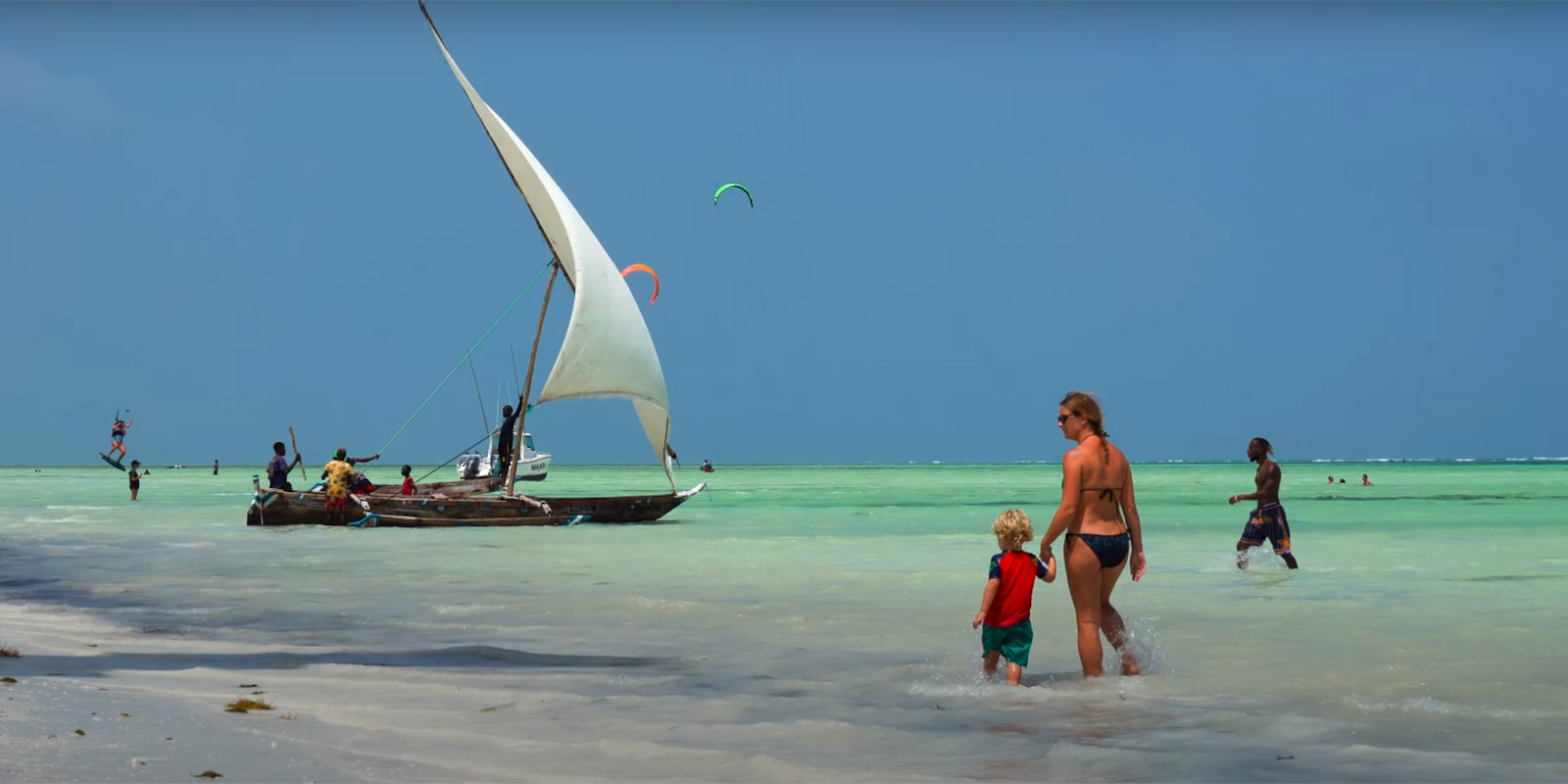
One moment you’re drifting through a clove plantation, crushing leaves that smell like Christmas; the next you’re ankle-deep in lapping turquoise shallows gazing at dhows that look unchanged since the spice trade began. Your senses will argue over which is better, sea salt or cinnamon, and you’ll happily refuse to choose. - Stone Town’s Living Time-Capsule
You wander lanes barely wide enough for a Vespa. Ornate doors tower overhead—some older than the United States. A shopkeeper waves you in for cardamom coffee; a muezzin’s call curls through the coral-stone walls. You’re not on a walking tour; you’re inside someone else’s century. - Beach-Meets-Bush Safaris
Hop a short hop to Saadani National Park and watch elephants lumber past the tideline. Waves clap, giraffes chew, and you realise you’ve never typed “surf and safari” into a search bar—yet here it is in real life. - Jozani Forest’s Red Colobus Monkeys
They peer down with punk-rock hairdos, as if you’re the exhibit. They’re found nowhere else on Earth, which makes both of you special for sharing the same sun-dappled boardwalk. - Zero-Pressure Pace
Locals shrug and say pole pole—slowly, slowly. It’s not laziness; it’s confidence that the sunset will wait for you.
Zanzibar Safari Top Safari Tours
Best Time to Visit
Picture two seasons: one dry and crisp, one green and steamy. Both come with 80-degree water.
| Season | Rough Months | What You’ll Feel | Good to Know |
| Dry, breezy | Jun – Oct | Clear skies, low humidity, perfect sunsets | Busiest months; lodges book early |
| Short rains | Nov – Mar | Lush foliage, fewer crowds, warm evenings | Afternoon showers cool the air |
| Long rains | Apr – May | Tropical downpours | Many beach resorts close for tune-ups |
If you want flawless beach days and peak wildlife sightings, land between June and October. Prefer bargain prices and tropical greenery? November to March smiles on you.
Location
Zanzibar drifts 22 miles off Tanzania’s coast, just south of the equator. Think of it as Africa’s out-thrown arm welcoming the Indian Ocean. The main island, Unguja, hosts Abeid Amani Karume International Airport and the labyrinthine Stone Town. To the west, the mainland’s Saadani Park completes the beach-plus-bush duet.
How to Get There
- From the U.S.
- Typical routes connect via Doha, Dubai, Istanbul, or Nairobi. Round-trip deals hover around $1,350–$1,600 depending on the day you fly.
- Expect 20–22 hours in the air, plus bragging rights for crossing three continents.
- From Dar es Salaam
- 20-minute domestic hop (impressive if you’re still working on a coffee).
- Two-hour high-speed ferry: sit outside, watch the skyline fade, practise saying tanga badaye—“see you later.”
- Park Transfers
- Lodge-arranged 4×4 or quick charter flights touch down in Saadani’s bush strip, so your first safari photo might be out the window of a Cessna.
Accommodations
| Style | Where You Sleep | What It Feels Like |
| Bare-foot Luxury | Zuri Zanzibar, Baraza, Kilindi | Outdoor showers, private plunge pools, sunsets that make your phone jealous |
| Mid-Range Comfort | Tembo House Hotel, Mnarani Beach Cottages | Swahili arches, sea-facing balconies, Wi-Fi strong enough for smug beach selfies |
| Safari-Side Escape | Saadani Safari Lodge | Canvas walls, Indian Ocean lullaby, dawn game drives that start before your alarm |
Book early June-October; spontaneity works fine November-March.
Tips
- Dress Light, Respect Right Beachwear rules the sand, but cover shoulders and knees in villages. Your respect earns bigger smiles.
- Money Matters Carry small U.S. bills; swap for shillings at a bureau for street snacks and dala-dala rides.
- Sun Sense Equatorial rays don’t do half-measures. Sunscreen, hat, and a reusable water bottle beat any souvenir.
- Stay Curious Ask your guide why dhows sail late—answer: cooler winds. Ask a chef what’s in that curry—answer: probably cloves your nose met on day one.
- Humor the Clock If someone says five minutes, they might mean before dark. Roll with it; sunsets are the only deadlines that stick.
With Zanzibar, your calendar turns into scenes: a dawn spice tour where farmer slices open a vanilla bean like presenting a diamond; a midday snorkel where parrotfish flash colors that outrank your swimsuit; an afternoon where an elephant and a wave keep time in one frame; an evening where the call to prayer drifts over rooftop bars serving ginger-lime mojitos. You’ll leave with sand in your cuffs and a new talent for doing nothing beautifully—pole pole, yet somehow perfectly on time.
Zanzibar Safari Most Common Attractions
African Fish Eagle
Nile Crocodile
African wild dogs
Baboon
Hippo
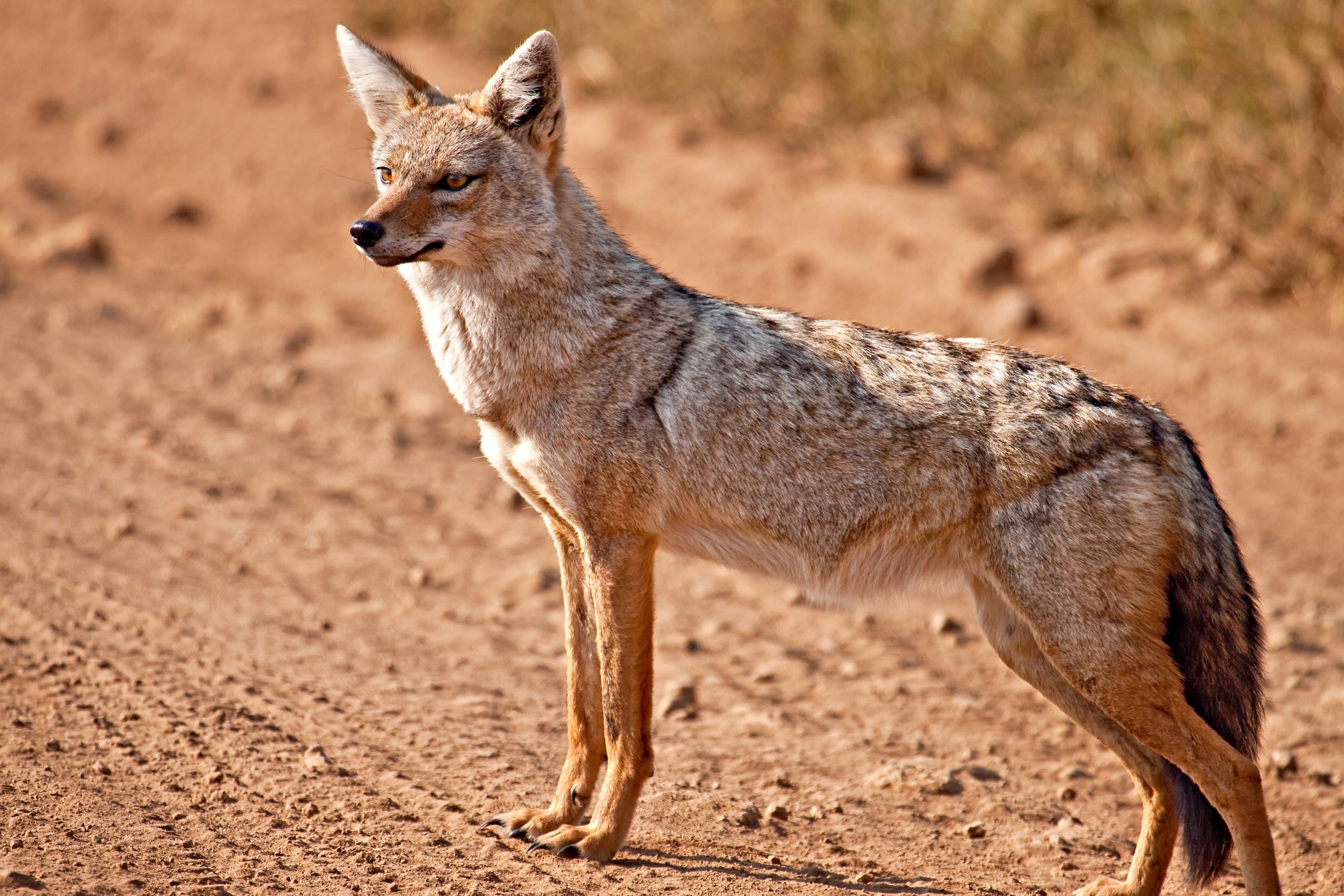
Bat eared Fox
Zanzibar – Frequently Asked Questions
- Is Zanzibar safe for travellers?
Zanzibar is a part of Tanzania which is one of the top 10 safest countries in Africa and because of that, generally it is very safe as long as you apply normal street smarts. The island lives on tourism, so locals are friendly and police patrol popular areas.
Just like any other place, there are petty theft that can happen in crowded markets, and the U.S. State Department still urges “increased caution” for Tanzania as a whole, mainly for crime and isolated terror threats, plus special sensitivity for LGBTQ+ visitors.
Stay in well-lit areas after dark, lock valuables in your hotel safe, and use registered taxis or hotel drivers at night. Follow those basics and you’ll likely remember Zanzibar for its sunsets, not its safety briefings.
- Do I need a visa and what does it cost?
Yes, every visitor including you with a U.S, UK or any other passport—need a visa for Zanzibar (issued by Tanzania). The simplest way to have this issued is the online e-Visa; most nationalities pay US $50 for a single-entry tourist visa valid 90 days.
Pay online by card and print the approval to show on arrival. Since September 2024 Zanzibar also charges a US $44 compulsory tourist-insurance fee, collected right at immigration, covering medical care and lost-luggage mishaps for 92 days.
- When is the best time to visit, weather-wise?
June to October is peak season and most people isit Zanzibar during this time. There is low humidity, clear turquoise water, and turtles hatching on northern beaches—ideal if you crave postcard skies.
November to early March brings short rains that green the island and thin the crowds; reef visibility stays good for divers, and room rates soften.
Heavy “long rains” in April–May can drench a day’s plans, but if you don’t mind afternoon rains you’ll have powdery beaches almost to yourself.
Whichever month you choose, Indian-Ocean water hovers near 80 °F year-round, so swimming is never off the menu.
- What health steps should I take before I fly?
Start with routine shots, then add yellow-fever vaccination if you’re coming from or transiting a risk country. The CDC advises malaria prophylaxis for coastal Tanzania; bring 30 % DEET repellent and sleep under the net your lodge provides. Tap water isn’t treated—stick to sealed bottles or refill at hotel dispensers. That new $44 insurance fee you pay on arrival folds in emergency medical cover and evacuation, but it won’t replace solid personal travel insurance. Pack sunscreen: Zanzibar sits just six degrees south of the equator and the UV index does not forgive.
Destination Gallery


- How do I get from Dar es Salaam to Zanzibar, and around the islands?
Azam Marine’s Kilimanjaro fast ferries sprint the 47 nautical miles in about two hours, with four sailings most days. Economy seats cost roughly US $35 one-way (VIP about US $60); book online and arrive an hour early for security checks. If seas make you queasy, 20-minute domestic flights run almost hourly—handy if you’re connecting from an international arrival. Once on Zanzibar, licensed taxis and hotel shuttles are easiest, but adventurous souls hop in “dala-dala” minibuses for pocket-change fares and full-volume Afrobeats. On narrow Stone Town alleys, your best vehicle is a pair of sandals. - What should I pack and wear?
Light cotton or linen keeps you cool, but respect the island’s predominantly Muslim culture by covering shoulders and knees when you leave the beach. A long-sleeve shirt wards off both sunburn and mosquito bites on evening dhow cruises. Footwear? Flip-flops for sand, sturdy sandals or sneakers for spice-farm strolls. Bring a waterproof phone pouch for snorkel trips, plus a universal adapter (Tanzania uses British-style Type G sockets). Cash small U.S. bills; they’re perfect for tipping and markets, while cards handle hotel tabs. - Which money works, and how easy are ATMs?
The Tanzanian shilling is king for day-to-day buys, but U.S. dollars are welcomed in hotels, tour offices, and many restaurants—just make sure notes are crisp and printed in 2013 or later. ATMs cluster in Stone Town and airport arrivals; rural beaches may not have one within 20 miles, so withdraw before you drive out. Tanzania restricts import or export of local currency for non-residents, and you must declare foreign cash over US $10,000 on entry or exit. When paying by card, expect a 3–5 % fee. - How much should I tip in Zanzibar?
Tipping isn’t mandatory but it an important custom that fuels the tourism industry and genuinely boosts local wages. Most restaurants appreciate 5–10 % unless service is already included.
For hotel porters, 1–2 USD a bag is fine; housekeeping staff welcome a couple of dollars per night left on the pillow.
For a Safari or dive guides usually receive US $10–15 per guest per day, pooled among the crew if there’s a team. Taxi fares can be rounded up. Feel free to tip in Tanzanian shillings or small U.S. bills—both spend equally well in village shops.
- Can I combine Zanzibar with a mainland safari easily?
Absolutely and it’s very recommended. There are several flights and drives from Dar es Salaam to Serengeti, Ruaha, or Nyerere National Parks the same afternoon. If you preferv even closer, Saadani National Park lies just north of Dar; you can watch elephants in the morning and sip coconut water on Nungwi Beach by sunset.
Many operators package “bush-and-beach” itineraries: three or four game-drive days, then Zanzibar for reef time and roof-top dinners—one suitcase, two wildly different postcards home.
Similar destinations ...
Masai Mara National Reserve
Mountain Kilimanjaro
Mikumi National Park
Nyerere National Park
Don’t wait,
book this adventure safari today
Low season
Oct, Nov, Mar, Apr, may
Peak season
Jun, July, Aug, Sept, Dec