
Select Page
Mkomazi National Park: Tanzania’s Quiet Safari Escape for Wildlife Encounter
Mkomazi National Park: Tanzania’s Quiet Safari Escape for Wildlife, Scenery, and Rare Encounters
Introduction
Mkomazi National Park is one of Tanzania’s most underrated safari destinations, and it will make you appreciate the quiet even more. Mkomazi is silently located in the north-eastern part of Tanzania and, of course, close to the Kenyan border, where dry savannah, acacia woodland, rocky hills, and wide open views create a safari experience that feels calm, wild, and personal.
Unlike the neighboring Serengeti or Ngorongoro, Mkomazi receives very few visitors throughout the year. That gives you more space, cleaner photography moments, and a stronger sense of being deep in nature.
The park covers about 3,234 square kilometers and borders Kenya’s Tsavo West National Park, forming part of a wider cross-border ecosystem. TANAPA describes Mkomazi as a semi-arid park with Acacia-Commiphora vegetation, riverine forests along the Umba River, more than 450 recorded bird species, and a strong conservation focus.
Mkomazi works well as a quieter northern Tanzania safari extension, especially after the exciting encounter of Serengeti/Ngorongoro or Tarangire.
You can combine it with Mount Kilimanjaro, Arusha National Park, Tarangire, Lake Manyara, or a coastal route toward Tanga. The park is best appreciated by travelers who love rare wildlife, dry-country landscapes, birding, photography, and meaningful conservation stories.
Entry fees are lower than Tanzania’s premium parks, which makes Mkomazi appealing for travelers who want a quality safari without the higher Serengeti-style park costs. Recent 2026 fee guides place Mkomazi among Tanzania’s “all other parks” category, at around USD 35.40 per adult and USD 11.80 per child when VAT is included, though travelers should confirm current TANAPA rates before travel.
Mkomazi Safari Attractions: Wildlife and Scenery
Mkomazi gives you a different face of Tanzania. You do not come here for endless vehicle traffic or predictable safari routes. You come for quiet plains, baobab-dotted ridges, dry woodland, distant mountain views, and wildlife that feels earned rather than staged.
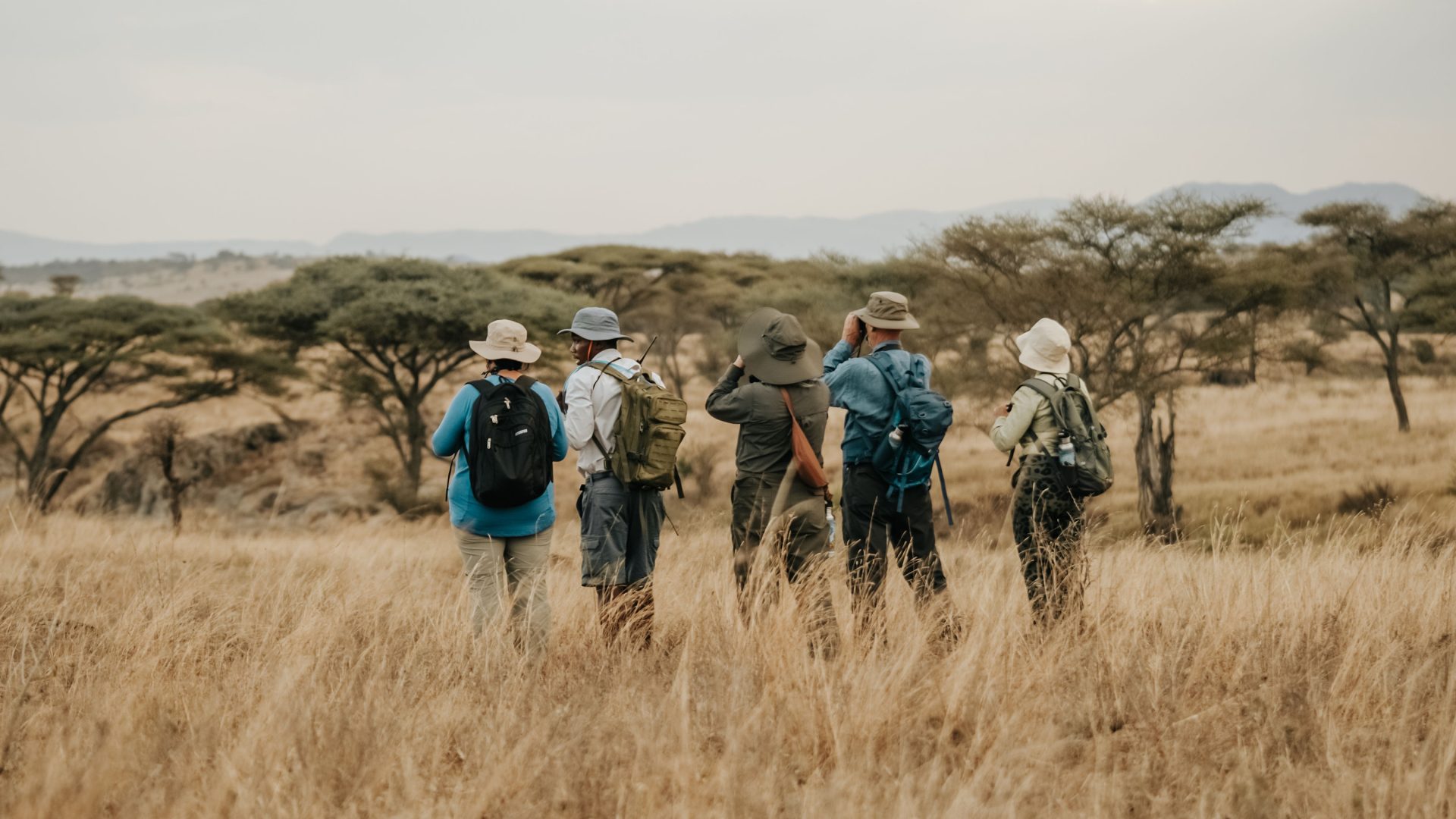
The scenery has a raw and untouched beauty. The park lies within a dry belt that connects with the Tsavo ecosystem in Kenya. You will see open savannah, thorn bush, umbrella acacias, rocky hills, and seasonal river systems. On clear days, you may also enjoy views toward Mount Kilimanjaro and the Pare and Usambara mountain ranges. The dry-country character gives Mkomazi a strong photographic identity, especially in the golden hours of morning and late afternoon.
Wildlife viewing can include elephants, giraffes, zebras, buffaloes, elands, hartebeests, dik-diks, impalas, lesser kudus, gerenuks, and predators such as lions, leopards, hyenas, and jackals.
Mkomazi is also known for its conservation work linked to endangered species, especially black rhinos and African wild dogs. These species are not always viewed in the same way as common plains game, since conservation access and sightings depend on park rules, protection zones, and arranged experiences.
The Mkomazi birdlife adds another strong reason why you should visit. TANAPA records more than 450 bird species in Mkomazi, which makes the park rewarding for birders and photographers. You may look for raptors, hornbills, bustards, weavers, guinea fowl, secretary birds, and dry-country specials. The wet months bring more greenery and seasonal bird activity, while the dry months give cleaner visibility and easier wildlife spotting.
The Umba River area adds another layer to the experience. TANAPA notes that riverine forests along the Umba River host rare colobus monkeys, which gives the park a mix of dry savannah and greener river habitat.
Destination Weather and Climate
Because of the location, Mkomazi has a semi-arid climate. That means the park stays hot and dry for much of the year, with rainfall arriving in two main seasons. TANAPA describes the park as having a bimodal rainfall pattern, meaning it receives two rainy periods rather than one long wet spell.
The long rains usually fall from March to May. During this period, the park becomes greener, some tracks may become harder to use, and wildlife spreads out because water becomes more available. The short rains often arrive around November and December. These rains are usually lighter than the long rains, though conditions vary from year to year.
The dry season from June to October is the most reliable period for safari. The vegetation becomes thinner, animals gather closer to remaining water sources, and roads are easier to navigate. Many travel guides and safari operators point to June to October as the best time for wildlife viewing in Mkomazi.
The worst time for a first-time safari is usually during the peak long rains from March to May. You may still visit, especially for birding and green landscapes, but game viewing can be less predictable, and road access can become slower.
Mkomazi National Park: Tanzania’s Quiet Safari Escape for Wildlife Encounter Top Safari Tours
6 Days
6 Days Serengeti, Ngorongoro & Lake Manyara Cultural and Wildlife adventure
from
$ 2500
per adultMkomazi Safari Activities
Game drives are the main activity in Mkomazi. Morning drives give you cooler temperatures, softer light, and better chances of seeing animals before they move into shade. Afternoon drives bring golden light across the dry plains, which works well for photography. Since Mkomazi receives fewer visitors than Tanzania’s famous northern parks, game drives often feel peaceful.
Birdwatching is another major highlight. With more than 450 recorded species, the park gives serious birders plenty to look for. Even casual visitors enjoy the variety, especially around riverine areas, open grassland, and woodland.
Photography suits Mkomazi well because of the open landscapes, dry-country textures, baobabs, rocky hills, and low visitor numbers. You get more time to frame your shots without many safari vehicles crowding one sighting.
Conservation-focused visits are another strong reason to include Mkomazi in your itinerary. The park has a reputation for protecting endangered species, including black rhinos and African wild dogs. Access to these experiences depends on current park regulations, conservation arrangements, and approved guidance, so Serengeti Mara Experts can help you confirm what is available during your travel dates.
Nature appreciation and scenic drives also matter here. Mkomazi is not only about ticking off animals. It is about slowing down, watching the land open up, noticing animal tracks, listening to birds, and seeing how life survives in a dry ecosystem.
How to Get There
Mkomazi is one of the easier offbeat parks to reach in northern Tanzania. Most travelers access it by road through Same, a town on the Moshi to Dar es Salaam highway. This makes the park a practical stop for travelers moving between Kilimanjaro, Moshi, Arusha, and Tanzania’s northeastern circuit.
From Moshi, the drive to the Same side of Mkomazi usually takes around two to three hours, depending on the route, gate, road conditions, and stops. From Arusha, you should allow more time, often around four to five hours by road. From Dar es Salaam, the journey is longer and works best as part of a road safari through the northeastern corridor or a route toward Tanga, Usambara Mountains, or Pangani.
International travelers usually fly into Kilimanjaro International Airport, then continue by road through Moshi or Arusha. Domestic charter flights may also work for private or luxury itineraries, depending on route planning and available airstrip arrangements.
For most visitors, a guided road transfer remains the best option. It gives you flexibility, safer navigation, and easier coordination with park permits, accommodation, and safari timing.
Mkomazi National Park: Tanzania’s Quiet Safari Escape for Wildlife Encounter Most Common Attractions
African Fish Eagle
Bateleur Eagle
Warthogs
Black Rhino
Serval Cat
Buffalo
Giraffes
Elephant
Cheetah
Lion
Best Time to Visit
The best time to visit Mkomazi National Park is from June to October. This dry season gives you the strongest wildlife-viewing conditions. Animals move closer to limited water sources, vegetation becomes thinner, and tracks are easier to use. The weather also feels more comfortable for game drives and photography.
January and February can also work well. The park may still have some green scenery after the short rains, and wildlife viewing can be pleasant.
November to December suits travelers who enjoy birding and fresh landscapes. The short rains can bring life back to the bush without making travel as difficult as the long rains.
March to May is the least ideal period for a classic safari. The long rains can affect roads and visibility. Still, this season may appeal to repeat visitors who prefer quiet parks, lush scenery, and fewer travelers.
Best Safari Accommodation
Accommodation around Mkomazi is more limited than in Serengeti, Tarangire, or Ngorongoro. That is part of its appeal, but it also means you should plan early.
You can stay in lodges, tented camps, public campsites, and simple guesthouses around Same, Moshi, or nearby areas. Travelers who want comfort often combine Mkomazi with accommodation in Moshi or nearby safari lodges, then enter the park for day drives or short stays. Budget travelers may consider campsites or simple stays near the park access points.
For a smoother experience, Serengeti Mara Experts can match your accommodation with your route. Luxury travelers may prefer a private lodge or well-planned extension from Kilimanjaro. Midrange travelers can use comfortable lodges near the park. Budget travelers can keep costs lower by staying near Same or Moshi and using guided day access.
The best choice depends on your travel style, time, budget, and whether Mkomazi is your main safari destination or part of a wider northern Tanzania itinerary.
Destination Entrance Fees
Mkomazi’s park fees is without a doubt below Tanzania’s premium destinations such as Serengeti. The 2026 Tanzania park fee guides place Mkomazi in the “all other parks” group, with adult non-resident fees around USD 35.40 per person per 24 hours, including VAT, and children aged 5 to 15 around USD 11.80.
Older official TANAPA tariff documents listed Mkomazi with conservation fees of USD 30 for non-East African adults before VAT, USD 10 for non-East African children aged 5 to 15, and free entry for children below 5.
Extra charges may apply for vehicles, camping, guided walks where allowed, ranger services, special activities, filming, or conservation experiences. Fees also differ for East African citizens, residents, expatriates, and foreign non-residents. Serengeti Mara Experts should confirm the latest TANAPA fee schedule before issuing your final safari quotation.
Destination Gallery


Destination FAQ
Is Mkomazi National Park worth visiting?
Yes, Mkomazi is worth visiting if you want a quieter safari with strong scenery, rare wildlife conservation, birding, and fewer crowds. It does not offer the same wildlife density as Serengeti, but it gives you space, calm, and a different safari mood.
Where is Mkomazi National Park located?
Mkomazi sits in northeastern Tanzania, near Same, close to the Kenyan border. It borders Kenya’s Tsavo West National Park, which makes it part of a wider dry-country wildlife ecosystem.
What animals can you see in Mkomazi?
You may see giraffes, elephants, zebras, buffaloes, elands, hartebeests, impalas, lesser kudus, dik-diks, and predators such as lions, leopards, hyenas, and jackals. The park also has conservation importance for black rhinos and African wild dogs.
Is Mkomazi good for birdwatching?
Yes. TANAPA records more than 450 bird species in the park. This makes Mkomazi a strong choice for birders, especially those interested in dry-country species, raptors, and seasonal bird activity.
How many days do you need in Mkomazi?
One full day works for a quick visit, especially from Moshi or Same. Two days give you a better pace, more game drive time, and a stronger chance to enjoy different habitats. Three days work well for photographers and birders.
What is the best month to visit Mkomazi?
July, August, September, and October are among the best months. These dry-season months give you easier wildlife viewing, clearer roads, and better safari conditions.
Can Mkomazi combine with Serengeti or Kilimanjaro?
Yes. Mkomazi combines well with Kilimanjaro, Moshi, Arusha, Tarangire, Lake Manyara, and Serengeti. It works best at the start or end of a northern Tanzania safari, especially for travelers who want something less crowded.
Are rhinos easy to see in Mkomazi?
Rhinos in Mkomazi form part of protected conservation work, so viewing depends on current paid fees, permits, and arranged experiences. You should not treat rhino sightings as guaranteed. Serengeti Mara Experts can check what is possible before your safari.
Is Mkomazi suitable for first-time safari travelers?
Yes, but it works best when combined with another park. If this is your first Tanzania safari, you may pair Mkomazi with Tarangire, Ngorongoro, or Serengeti for a broader wildlife experience.
Is Mkomazi crowded?
No. Mkomazi receives fewer visitors than Tanzania’s most famous parks. This makes it ideal if you prefer quiet game drives, open scenery, and a less commercial safari feel.
Conclusion
Mkomazi National Park is for travelers who look beyond the usual Tanzania safari route. It gives you dry-country beauty, rare conservation stories, excellent birding, quiet game drives, and wide landscapes that feel personal. You come here for space, scenery, and a deeper connection to Tanzania’s wild northeast.
With Serengeti Mara Experts, you can visit Mkomazi as a short safari from Moshi or Arusha, or include it in a wider itinerary across northern Tanzania. If you want a park with fewer crowds, meaningful wildlife encounters, and a different rhythm from the famous safari circuit, Mkomazi deserves a place in your travel plan.
Similar destinations ...
Saadani National Park
Ol Doinyo Lengai
Masai Mara National Reserve
Mountain Kilimanjaro
Don’t wait,
book this adventure safari today
Low season
Oct, Nov, Mar, Apr, may
Peak season
Jun, July, Aug, Sept, Dec