Where Is Zanzibar, Map, Routes, And First-Timer Tips
Introduction
Where is Zanzibar? The question sounds simple, then you look at the map and feel a small thrill.
Zanzibar sits in the Indian Ocean, about 35 to 50 kilometers off mainland Tanzania. Known for it’s incredibly warm water and slow tides. Zanzibar is a horizon that looks like a promise you almost forgot you made to yourself. If this is your first African safari trip, Zanzibar gives you an easy landing, or a soft finish after the bush.
Breathe in clove, lime, and sea salt as you hear bicycle bells in narrow alleys, then the call to prayer drifting over Stone Town’s rooftops.
You hold a coconut with both hands, take a sip, and let time step down a gear. I think this is the moment you realize travel can be both gentle and vivid and at that moment the question of Where is Zanzibar becomes less a geography quiz and more a doorway.
You walk the seafront at sunset, dhows leaning into the wind like old friends. The night market wakes, grills hiss, and you point at skewers with a beginner’s confidence. Maybe you dribble a little hot sauce on your wrist. Small mistakes make good memories.
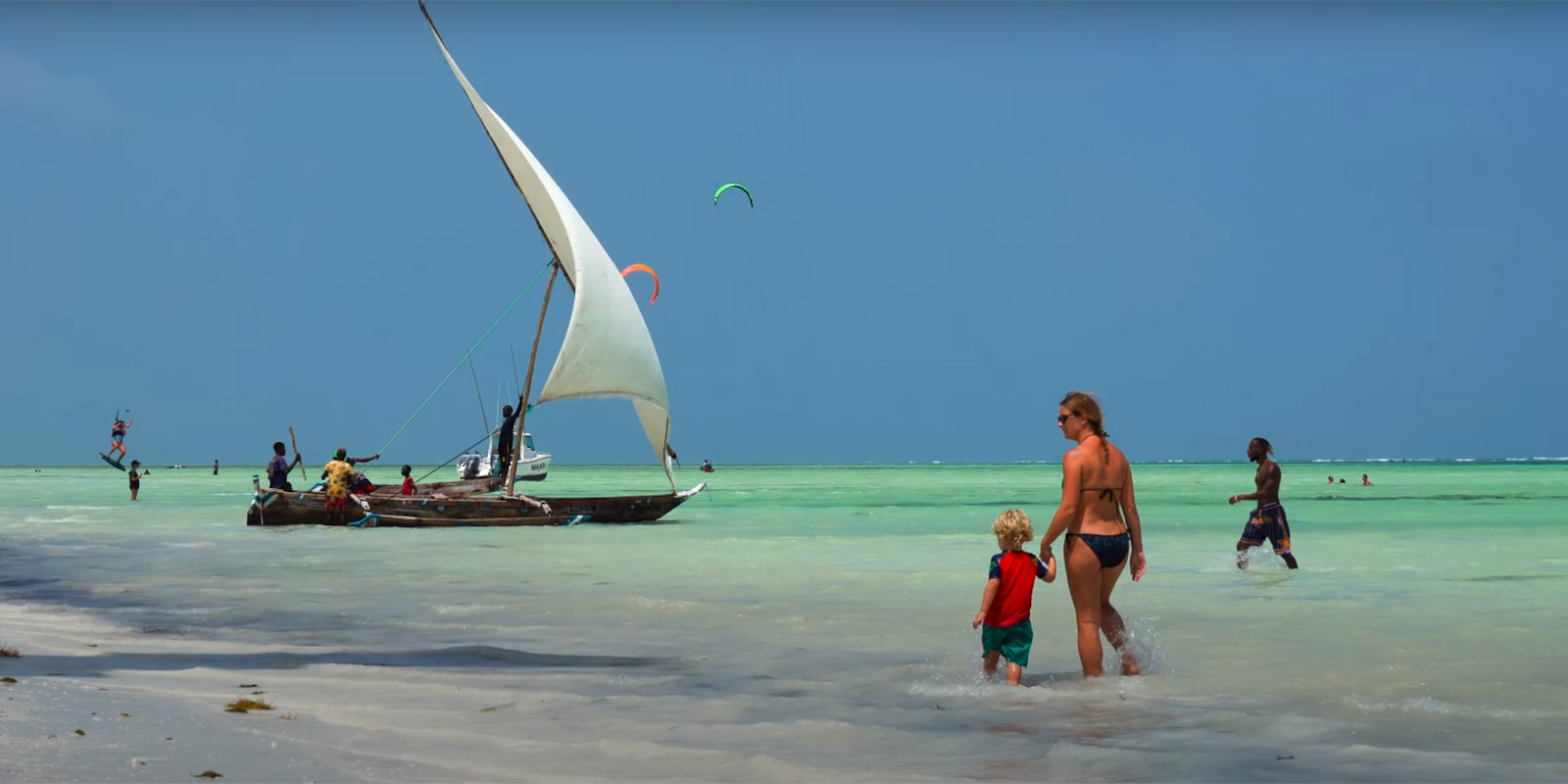
Family in Zanzibar
History of Zanzibar
Zanzibar is an archipelago with deep Swahili roots. For centuries, traders crossed these waters by monsoon winds. Persia and Arabia left languages, doors, and spices that still stand till date.
In 1840, Sultan Said bin Sultan moved his capital from Muscat to Zanzibar, and the islands grew into a global hub for cloves and other spices.
The islands served as a major node in the Indian Ocean slave trade, and that history still stands in Stone Town at the old Slave Market site. Walk through with a guide. To get the best of Zanzibar, listen more than you speak. Acknowledge what happened. Then step back outside to a city that keeps moving, cooking, praying, laughing.
Britain declared a protectorate in the late 19th century.
Zanzibar is also known for the Anglo-Zanzibar War of 1896, often called the shortest war in history, ended in under an hour.
In 1964, the islands joined with Tanganyika to form the United Republic of Tanzania and till today, Zanzibar is semi-autonomous, with its own government, its own daily rhythm, and a strong Swahili identity. The past lingers in carved doors and in cinnamon steam. The present is kids playing football at low tide.
Attractions in Zanzibar
You want clear pictures in your head. Here are the scenes to carry.
Stone Town
A UNESCO-listed old quarter with winding lanes, coral-rag houses, balconies that lean a little, and hundreds of carved doors. You get lost, by design. A tailor waves you in to see fabrics.
Take a sunset dhow cruise from Forodhani Gardens, then eat grilled seafood and sugarcane juice at the night market. I once spent half an hour choosing between octopus skewers and Zanzibar pizza. The indecision felt like a holiday in itself.
Nungwi and Kendwa, north coast
Nungwi is known for it’s long beaches, swimmable at most tides, and a wide sky that glows pink before breakfast. Snorkel trips head to nearby reefs. The mood mixes barefoot ease with a little buzz around sunset. If you want the classic swim, sand, and book day, this is where time slips.

Sea turtle of Zanzibar
Paje and Jambiani, east coast
Trade winds pull kites across the lagoon like watercolor strokes. At low tide, the sea pulls back to reveal pools clear as glass. Walk the beach, watch seaweed farmers tend neat lines, then eat a plate of coconut curry under a palm roof. The water returns, slowly, as if the island is breathing.
Mnemba Atoll
Off the northeast coast, Mnemba offers bright reef fish, hawksbill turtles, and that moment when you lift your head and realize the boat looks far. Guides handle the currents. You focus on the parrotfish nibbling coral, the damselfish flashing close, the way your heartbeat calms when you kick less.
Prison Island, Changuu
Short boat rides from Stone Town reach a little island dotted with history, a clear lagoon, and giant Aldabra tortoises. You will smile without meaning to when one leans toward a leaf in your hand. Go early before day boats crowd the jetty.
Jozani-Chwaka Bay National Park
Home to the Zanzibar red colobus, a playful primate with a punk-rock hairstyle. Walk boardwalks under mangrove shade and forest paths with a ranger. The colobus care more about each other than about you, which feels healthy.
Spice farms
Cinnamon bark, cardamom pods, clove buds drying on mats like tiny brown stars. The tour feels touristy on paper, then the aromas win you over. You taste a slice of starfruit and grin at your own surprise.
Pemba Island
Quieter and greener than Unguja, which most people call Zanzibar Island. Pemba has deep channels for divers, clove farms, and villages where greetings still take their time. If you like the idea of fewer choices and calmer, Pemba answers that.
Zanzibar Facts
You want specifics that help with decisions, without noise.
Where is Zanzibar: Indian Ocean, off mainland Tanzania in East Africa
Archipelago: Main islands: Unguja, Pemba, plus small islets
Capital: Zanzibar City, with Stone Town as the historic quarter
Zanzibar to Dar: About 35 to 50 km, ferry or short flight
Coordinates: 6.1° S, 39.3° E
Time zone: UTC +3, East Africa Time
Currency: Tanzanian shilling, USD widely accepted in tourism
Languages: Swahili, English commonly spoken in tourism
Religion: Predominantly Muslim, with a mix of beliefs
Best beach months: June to October for dry air, December to February for warm seas
Water activities: Snorkeling, diving, dhow cruises, kitesurfing on the east coast
Safari pairings: Serengeti, Ngorongoro, Ruaha, Nyerere, Selous by short flights
How to get to Zanzibar
By air
If you are planning to fly to Zanzibar, you can Fly into Abeid Amani Karume International Airport, code ZNZ.
There are several daily connections from Dar es Salaam, Kilimanjaro, Arusha, and Serengeti airstrips.
Alternatively, you may connect with other regional links from Nairobi and Mombasa.
For long-haul routes rotate. You often connect through Doha, Istanbul, Dubai, or Addis Ababa.
By sea
Passenger ferries from Dar es Salaam to Stone Town take about two hours.
Morning crossings are calmer. Afternoon wind can pick up.
Book reputable operators and keep tickets handy at the terminal.
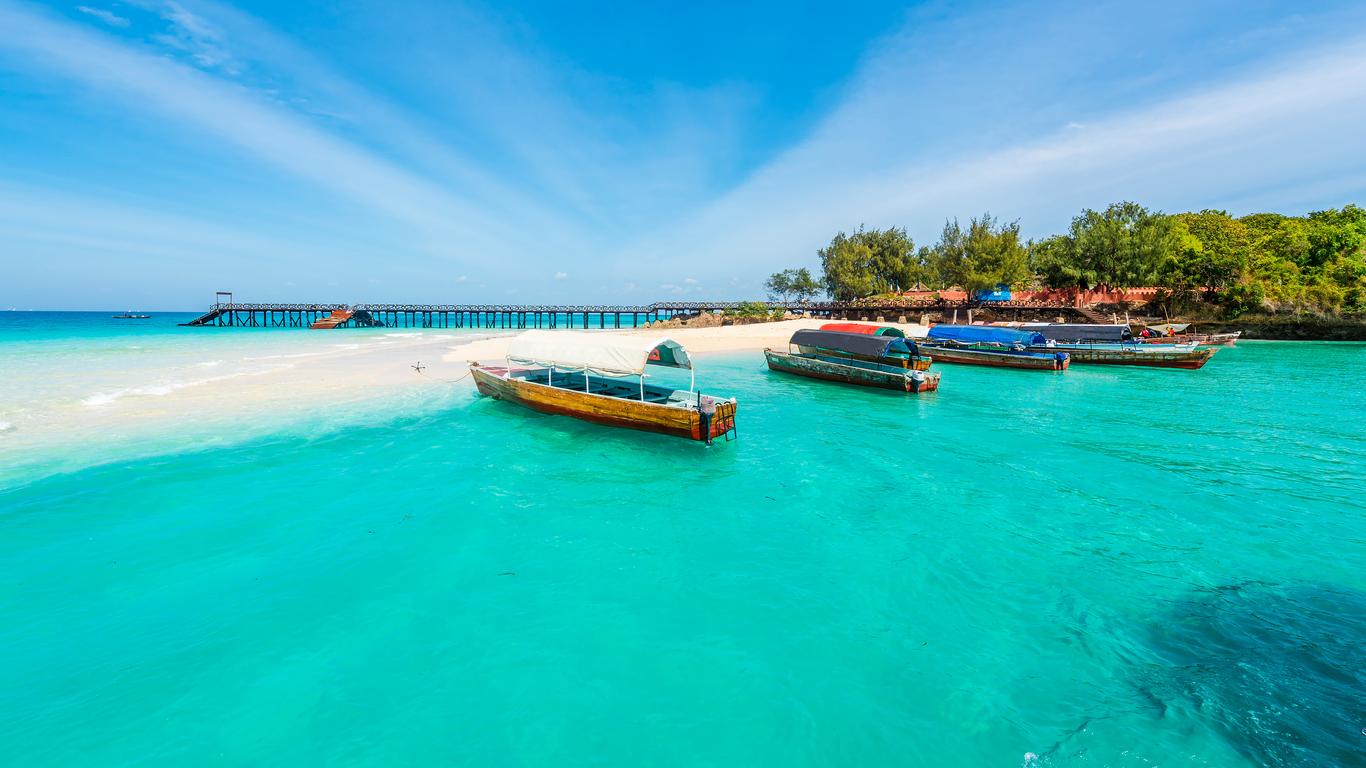
Getting to Zanzibar by Sea
Entry and health
Zanzibar shares Tanzania’s visa rules. Many travelers use the e-visa.
Yellow fever vaccination may be checked if you transit from risk countries.
Malaria risk exists. Speak with your doctor about prevention.
Bottled or filtered water for drinking. Reef-safe sunscreen for the sea.
Getting around Zanzibar
- Taxis and hotel transfers are simple.
- Dala-dala minibuses run everywhere, for the curious and patient.
- Car rentals require an international license and a local permit processed through your rental company.
- Drive on the left. Watch for speed bumps and scooters.
What you will feel and see
Mornings start quiet, then fill with small sounds. A kettle clicks off. A rooster gets ahead of the sun. The tide falls back and exposes rippled sand like silk laid down in folds. You step out and the air feels kind, maybe a touch salty on your lips.
You wander Stone Town’s alleys, the shade shifting every few steps. A doorframe with brass studs catches your eye. Someone laughs behind a carved screen. A shopkeeper offers clove tea. You try a sip, nod, then buy a little bag you will forget to open at home for two weeks. When you remember, the first breath brings you right back.
On the beach, a fisherman points to the horizon and measures distance with his thumb. It looks casual. It is skill. You paddle out on a kayak at slack tide, drift over grass beds where juvenile fish hide, and feel your shoulders drop. I argue with myself about getting up for sunrise, then I go, and the early light forgives every hesitation.
At night, the sea is dark, the sky clear. A dhow slides by with a lantern. The wind says little. You hear your fork on a plate and a murmur from the next table, two travelers trading stories they will retell the same way for years.
Practical tips
- Dress with respect in towns and villages. Shoulders and knees covered in Stone Town and local areas. Swimwear is for beaches and pools.
- Mind the tides. East coast beaches change shape through the day. Check tide times for swimming and kitesurfing.
- Choose ocean trips wisely. Wear life jackets. Listen to your skipper about wind and currents.
- Protect the reef. No standing on coral. Use reef-safe sunscreen. Keep fins gentle near shallow heads.
- Carry small cash. Tips, market snacks, and short taxi hops move faster with small bills.
- Eat where grills smoke. Fresh seafood tastes best near the boats. Ask your guide for their spot.
- Plan two anchors. One base near Stone Town for culture, one beach base for water time.
- During Ramadan. Many restaurants adjust hours. Be considerate when eating in public during the day.
- Dolphin tours. Choose operators who avoid chasing pods. Ask how they keep distance.
- Stay flexible. Wind, tide, or a street parade can reroute your day in a good way.
What draws people in
A soft landing before the bush. Sleep off jet lag by the sea, then fly to the savannah with a calmer mind.
Culture you can feel at walking speed. Doors, spice scents, and quick smiles carry stories without lectures.
Water that changes the day twice. High tide for swimming. Low tide for long walks and tide pools.
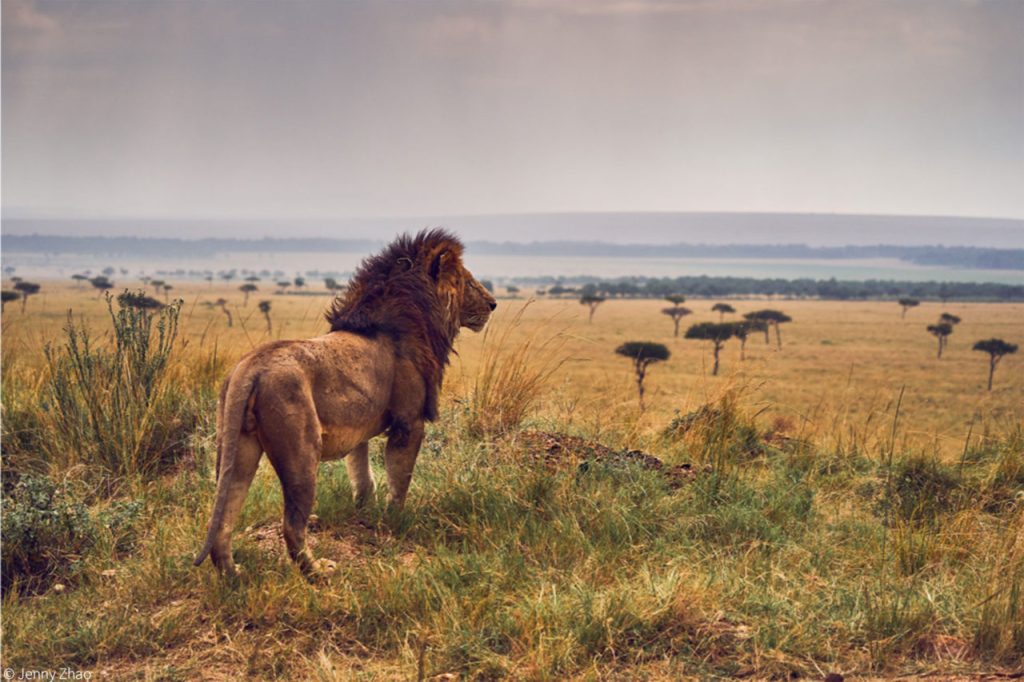
Pairings that make sense. Morning lions in Serengeti. Two days later, a dhow at sunset. The contrast works.

Swimming with sea Turtles in Zanzibar
Top Zanzibar FAQ
Where is Zanzibar, exactly. Is it part of Tanzania or separate?
Zanzibar is part of the United Republic of Tanzania. It is semi-autonomous, with its own local government, and it sits off the Tanzanian coast in the Indian Ocean.
Is the water safe for swimming?
Resort beaches tend to be clear and well watched. Ask staff about currents and sea urchins. Wear reef shoes where the seabed is rocky.
When should I go?
June to October brings dry air and easy exploring. December to February has warmer seas and long beach days. Short rains fall around November and April to May.
Is alcohol available?
Yes, in hotels and many restaurants. In local neighborhoods, be discreet and respectful.
Can I combine Zanzibar with safari without backtracking?
Yes. Short flights link Zanzibar with Serengeti, Ngorongoro, Ruaha, and Nyerere. Your planner will stitch routes cleanly.
Sharks and jellyfish. Should I worry.
Encounters are rare in common swimming areas. Follow local advice. Avoid night swimming and heed flags and guide warnings.
What about internet for remote work.
Hotels in Stone Town and main beaches offer workable Wi-Fi. Speeds vary. A local SIM helps for backups.
Conclusion
Set your pin on the map where the Indian Ocean kisses East Africa. Start or end your safari with two or three nights in Zanzibar. Split time between Stone Town and a beach that suits your style.
Book a dhow at sunset, a spice tour you did not expect to like, and one morning set an alarm for the tide. Ask your planner to thread Zanzibar into your route so the journey feels whole. The answer to where is Zanzibar becomes simple. It is the place your trip starts to feel like yours.